
X-Ray Phosphor Screens for Dental Imaging
Analytical Components manufactures X-Ray phosphor screens for dental imaging equipment in the UK. Our Gadox (Gd₂O₂S) coated screens convert X-ray energy into visible light, and can be incorporated into a wide variety of X-ray imaging devices used in dental applications. Every screen is produced in our ISO 7 (Class 10,000) cleanroom and tailored to the substrate, size, and coating specification your device requires.
What is an X-Ray Phosphor Screen in Dental Imaging?
An X-Ray phosphor screen is a thin, coated component that sits between the X-ray source and the imaging sensor inside a dental imaging device. When X-rays strike the phosphor layer, the material absorbs the X-ray energy and re-emits it as visible light photons. That light is then captured by a CCD or CMOS sensor and processed into the digital image a dentist or radiographer reviews on screen.
The phosphor screen is not what the dentist or patient sees. It is the diagnostic component inside the machine that makes the image possible. Without it, the silicon sensor behind it cannot register an X-ray, because silicon detectors respond to visible light, not directly to X-ray photons. The phosphor converts one into the other.
This makes the X-Ray phosphor screen one of the performance-critical components in any dental imaging device. Its resolution, uniformity and light output directly affect the clarity of the final image.
Our X-Ray Phosphor Screens for Dental Imaging
Analytical Components supplies X-Ray phosphor screens for dental imaging built around Gadolinium Oxysulfide, better known as Gadox, Gd₂O₂S, or P43. Gadox is the most widely used phosphor in medical and dental X-ray applications because it combines high luminescent efficiency with an emission wavelength closely matched to silicon-based light detectors such as CCD and CMOS sensors.
We manufacture three variants of Gadox screens, each suited to different X-ray imaging requirements:
- Gadox: Tb – primary emission peak at 545nm, with a wavelength range of 382 to 622nm. Suited to low frame rate applications where image resolution and light output are the main priorities.
- Gadox: Pr – suited to ultra-high speed imaging and backscatter detection.
- Gadox: Eu – designed for extremely high energy X-ray applications.
Our team can advise on the right variant and coating method for your device based on the energy range, substrate, and sensor requirements of your application.
Substrates We Coat
We coat Gadox phosphor onto a wide range of substrate materials to suit different dental imaging designs:
- Glass
- Fibre Optic Plates (FOP)
- Stainless steel
- Copper
- Aluminium
- Mylar
- Silicon
- Direct coatings onto the cathode of vacuum tubes
Coatings can be applied onto the substrate that best suits your device design. For imaging applications where the phosphor layer needs to be directly coupled to a sensor, fibre optic plates (FOP) are often specified. For larger format imaging devices, glass and metal substrates are common.
If you are unsure which substrate best suits your design, please get in touch and our team will advise.

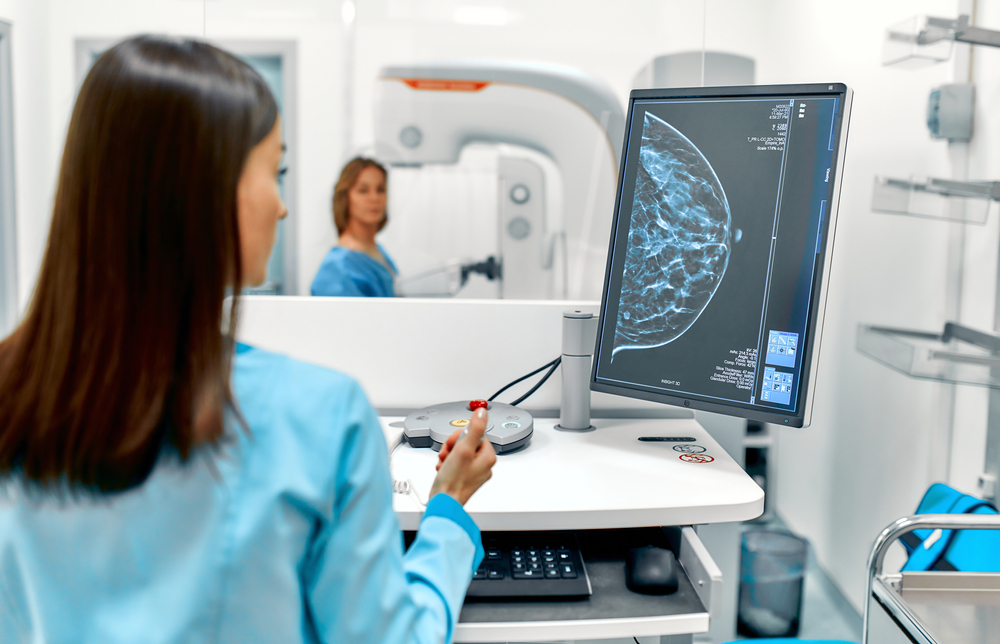
Why OEM Manufacturers Choose Analytical Components
Analytical Components is a UK-based specialist manufacturer of X-Ray phosphor screens for dental imaging, medical imaging, veterinary imaging, security screening, and industrial inspection. Every screen is produced in-house in our ISO 7 (Class 10,000) cleanroom, using controlled coating processes and carefully selected raw materials.
ISO 9001:2015 accredited. Independently certified quality management, with every screen manufactured to a documented, auditable process.
Made in the UK. Produced in our own UK facility. Customers are welcome to visit and meet the team coating their parts.
Built to your specification. We produce to your drawings, substrate, coating thickness and tolerance, from volume production runs to one-off prototypes.
Confidentiality as standard. NDAs offered for new product development, with customer confidentiality treated as non-negotiable.
Direct communication. You work directly with the people making the screens, with updates by phone, email or on-site visits.
Applications in Dental Imaging
X-Ray phosphor screens are a core component in digital dental X-ray equipment. Our Gadox coated screens can be manufactured to suit a range of dental imaging device types, including:
- Intraoral digital X-ray sensors
- Panoramic (OPG) imaging systems
- Cephalometric imaging
- Dental cone beam computed tomography (CBCT)
- Dental imaging research and development
Our X-Ray phosphor screens for dental imaging are supplied as components for integration into imaging devices by the manufacturers who design and build those devices. If you are a dental practice looking for replacement imaging plates or consumables for an existing system, please contact your imaging equipment supplier directly.
Frequently Asked Questions
What material are your dental phosphor screens made from?
Gadolinium Oxysulfide (Gd₂O₂S), also known as Gadox or P43. It is the most widely used phosphor for medical and dental X-ray applications.
Which Gadox variant is used for dental imaging?
We supply Gadox: Tb, Gadox: Pr and Gadox: Eu. Each has different emission and energy characteristics, so the right variant depends on your device. Our team can advise based on your specification.
Can you coat phosphor onto fibre optic plates?
Yes. FOP is one of the substrates we routinely coat with Gadox, alongside glass, stainless steel, copper, aluminium, Mylar and silicon.
Do you produce bespoke phosphor screens or only standard sizes?
Both. We manufacture volume production runs and one-off bespoke screens, with coating thickness, substrate and dimensions produced to your specification.
Are your phosphor screens made in the UK?
Yes. All of our X-Ray phosphor screens for dental imaging are manufactured in our UK facility, in an ISO 7 (Class 10,000) cleanroom. We are ISO 9001:2015 accredited.
Do you supply replacement parts for existing dental X-ray machines?
No. We manufacture phosphor screens as OEM components for integration into equipment at the point of manufacture. Dental practices should contact their equipment supplier directly for replacements.
Get in Touch
If you are developing or manufacturing dental imaging equipment and need X-Ray phosphor screens for dental imaging, Analytical Components can help. Send us your specification, substrate preference, and quantity, and we will come back to you with a quote, coating recommendation, and lead time.
X-ray phosphor screens are vital for enhancing image quality across various applications. In medical imaging, dental imaging, and veterinary imaging, they provide clear, detailed visuals for accurate diagnostics. These screens are also essential for security screening, ensuring reliable detection. In industrial inspection, they help maintain product integrity and safety. Additionally, X-ray phosphor screens improve performance in imaging cameras, supporting high-quality imaging in diverse settings.